Dow Jones stock markets: futures bounce, but Asia keeps sliding
Dow Jones stock markets open the shortened Thanksgiving week with a bounce in US futures, up about 2% after the worst tech week in years, while KOSPI fell as much as 6%.
الحدث: 23 نوفمبر 2026
المصدر الأساسي: 23 نوفمبر 2026
نُشر هنا: 23 نوفمبر 2026 في 06:07 ص UTC
اقرأ: 3 دقيقة
ماذا حدث
Overnight, US index futures bounced. At 12:09 a.m. ET Monday (05:09 UTC), Business Insider had Nasdaq futures up about 3%, S&P 500 futures up about 2% and Dow futures up about 2%. These are futures, not the cash open. They follow the worst week for the Nasdaq and the Dow in more than six years.
لماذا يهمك
If you hold an S&P 500 or Nasdaq fund, last week hurt: the Nasdaq lost about 10%. Futures show the mood before the start, not the day's result. Asia did not bounce with them: KOSPI fell as much as 6% before paring losses, and Hang Seng fell as much as 2%.
ماذا تتحقق منه وتراقبه
Our take: a 2% bounce after a 10% drop proves little. It shows fear got expensive, not that doubts about AI are gone. Check whether the gains hold in the cash session, then Dell and Workday on Tuesday after the bell. US markets are closed Thursday, and Friday ends at 1:00 p.m. ET. We come back after those reports.
أين يحدث ذلك
LIVEاسحب للتدوير. النقاط الخضراء: البورصة تتداول الآن (الساعات العادية، دون احتساب العطل). الظل: حيث الليل الآن. الحدود: Natural Earth، الزلازل: USGS. فكرة الطبقات: God’s Eye View (MIT).
الطائرات: ما تراه الآن أجهزة استقبال ADS-B التطوعية لدى adsb.lol (ODbL)، تحديث كل دقيقة. أجهزة الاستقبال قليلة فوق المحيطات والمناطق النائية، والطائرات العسكرية والخاصة غالبًا مخفية.
Why now. Searches for Dow Jones and the stock markets jumped because US futures rose overnight. At 12:09 a.m. ET on Monday, November 23 (05:09 UTC), Business Insider had Nasdaq futures up about 3%, S&P 500 futures up about 2% and Dow futures up about 2%. CNBC's live blog, updated at 12:59 a.m. ET (05:59 UTC), had Dow futures up 745 points, or 1.55%, S&P 500 futures up 2.16% and Nasdaq-100 futures up 3.03%. These are futures, not the cash open.
What they bounce from. Last week was rough. CNBC says the Nasdaq Composite and the Dow had their worst weekly declines in more than six years, and the S&P 500 had its biggest weekly drop since April 2025. All three closed in correction territory, and the Nasdaq is now negative for 2026. Business Insider puts the Nasdaq's loss at about 10%, its worst week since March 2020. Chip stocks fell harder: the Philadelphia Semiconductor Index and Taiwan's Taiex each lost 17%. BI's reason: investors doubt that the huge sums going into AI can earn enough profit.
Asia did not join the bounce. KOSPI fell as much as 6% before paring losses, says BI. Hang Seng fell as much as 2% before paring losses. Taiwan's Taiex dropped up to 2%, then turned positive. Officials are stepping in: Taiwan tightened short-selling limits and deployed its market-stabilization fund, and South Korea is preparing a fund and eased rules on corporate buybacks.
One warning, one hope. BI says the financing deals that helped power the AI boom could become another source of trouble. Mizuho's Vishnu Varathan wrote on Monday that without the "Bank of Jensen" there is a "non-negligible risk that cashflow crunch can hit valuations hard and fast". On the other side, Pepperstone's Chris Weston notes that investors have been paying unusually high prices to protect against more losses. If they cut those bets, a sharp rebound could follow even if worries about AI spending stay. "It wouldn't surprise me to see an aggressive snapback in US equities," he wrote.
Our take. A 2% bounce after a 10% weekly drop fixes little. Fear got expensive, that is all. We would rather watch real earnings than a futures screen at midnight. HPE reports Monday after the bell. Dell and Workday report Tuesday after the bell, Best Buy Tuesday before the open. CNBC says Dell is down 34% this month and HPE 25%. US markets are closed Thursday for Thanksgiving, and Friday's session ends at 1:00 p.m. ET. We will come back to this after Tuesday's reports. Meanwhile, follow the S&P 500 on our page.
حقائق مؤكدة
- In CNBC's live blog, updated at 12:59 a.m. ET on Monday, November 23, Dow futures were up 745 points (1.55%), S&P 500 futures up 2.16% and Nasdaq-100 futures up 3.03%.[1]
- On Sunday evening, CNBC had Dow futures up 412 points (0.8%), S&P 500 futures up 1.1% and Nasdaq-100 futures up 1.9%.[1]
- At 12:09 a.m. ET on Monday, Nasdaq futures rose 3%, S&P 500 futures gained 2% and Dow futures were 2% higher.[2]
- Last week the Nasdaq Composite and the Dow had their worst weekly declines in more than six years, and the S&P 500 had its biggest weekly drop since April 2025. All three closed in correction territory, and the Nasdaq turned negative for 2026.[1]
- The Nasdaq lost about 10% last week, its worst week since March 2020. The Philadelphia Semiconductor Index and Taiwan's Taiex each lost 17%.[2]
- On Monday the KOSPI fell as much as 6% before paring losses. Samsung Electronics and SK Hynix both dropped as much as 6%.[2]
- CNBC had the KOSPI down 2.63% at one point on Monday and Hang Seng down 1.27% at its open. Japan was closed for a public holiday.[1]
- Taiwan's Taiex fell as much as 2% before turning positive in the late morning, and Hang Seng fell as much as 2% before paring losses.[2]
- Taiwan tightened short-selling restrictions and deployed its market-stabilization fund. South Korea is preparing a fund for possible use and eased rules on corporate share buybacks.[2]
- US markets are closed on Thursday for Thanksgiving, and Friday's session closes at 1:00 p.m.[1]
- Mizuho's Vishnu Varathan wrote on Monday: "Without the 'Bank of Jensen' there is a non-negligible risk that cashflow crunch can hit valuations hard and fast."[2]
- Pepperstone's Chris Weston wrote that investors have been paying unusually high prices to protect against further losses, and that cutting those bets could drive a sharp rebound.[2]
- HPE reports Monday after the bell. Dell and Workday report Tuesday after the bell, and Best Buy Tuesday before the open. Dell shares are down 34% this month and HPE shares 25%.[1]
التبعات
- مؤكدUS index futures were sharply higher early Monday after a week of heavy losses.
- مؤكدAsian markets stayed under pressure, and officials in Taiwan and South Korea are taking steps to calm them.
- قراءتناA futures bounce does not settle the doubts about AI spending. Whether it lasts depends on the cash session and on earnings. This is our reading, not a price forecast.
لا يزال مجهولًا
- Whether the futures gains hold when the US cash session trades.
- Whether South Korea deploys its stabilization fund.
- Whether this week's tech earnings calm or deepen the AI doubts.
من يتأثر
United States, South Korea, Taiwan, Hong Kong. Holders of S&P 500, Dow Jones or Nasdaq funds, and anyone following the AI-driven sell-off across US and Asian markets
المصادر
الغلاف: رسم Freekonomist، صورة رمزية، لا صورة للحدث. هذا شرح إخباري، لا نصيحة مالية.
المزيد من القصص
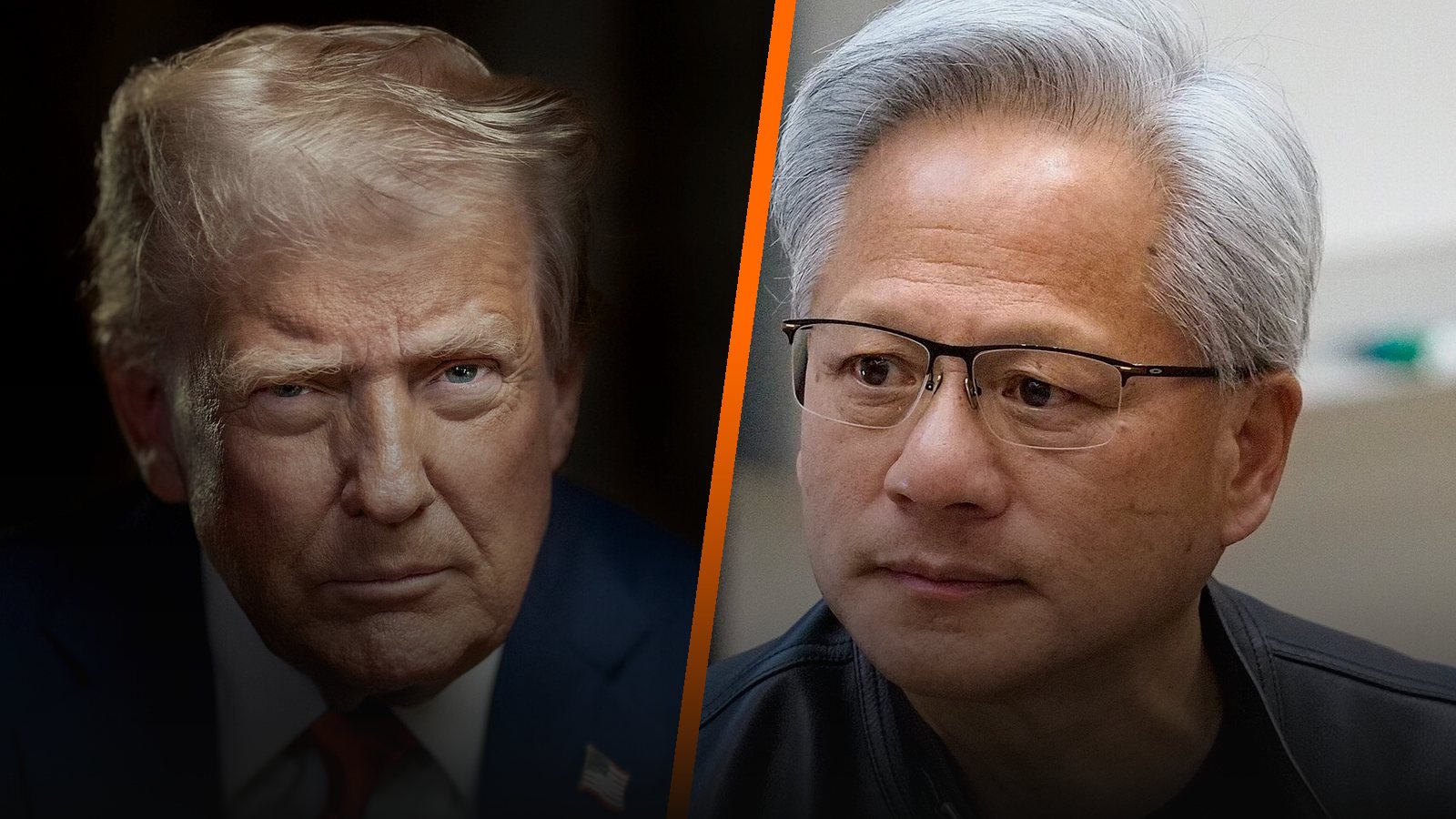
ترامب: «أعيدوا هوانغ!» مجلس إنفيديا: «لا». من يتراجع أولاً؟
استقال هوانغ بعد فضيحة مع امرأة تشتبه الاستخبارات الأمريكية في تجسسها لصالح الصين. السهم هبط 28%. الآن يريد ترامب عودته، والمجلس يرفض.
Markets fall, and Singapore firms buy themselves: S$87.5 million in a week
In one week Singapore companies spent S$87.5 million on their own shares, five times the week before. Almost half of that money came from Singtel alone.
KOSPI crashes 5% and Korea readies a market rescue fund, like in 2008
Korea is the X-ray of the global AI bet, and it is cracking: down 5.2% on Friday, an exchange circuit breaker on Monday, and a stabilisation fund in the works.
Morning brief by email
The night's key moves and what matters today, in 2 minutes. One-click unsubscribe.
 BloFin
 WEEX